

October is the most confusing month in fashion. The mornings are cool. The afternoons are warm. The evenings are cold. And the weather changes so unpredictably that you can start the day in a jacket and end it in a tank top, or the reverse. Getting dressed for October means preparing for two seasons in one outfit, which is why layering is not just a strategy. It is a survival skill.
But layering in October does not mean piling on thick sweaters and heavy coats. In most parts of the country, and certainly in cities like Miami, Los Angeles, and anywhere south of the Mason-Dixon line, October is still warm enough for summer pieces with a fall layer on top. The key is understanding which summer pieces transition naturally and which ones need to be stored until next year.
Here is how to dress for October’s in-between temperatures, day by day, moment by moment.
The Morning Layer: 55 to 65 Degrees
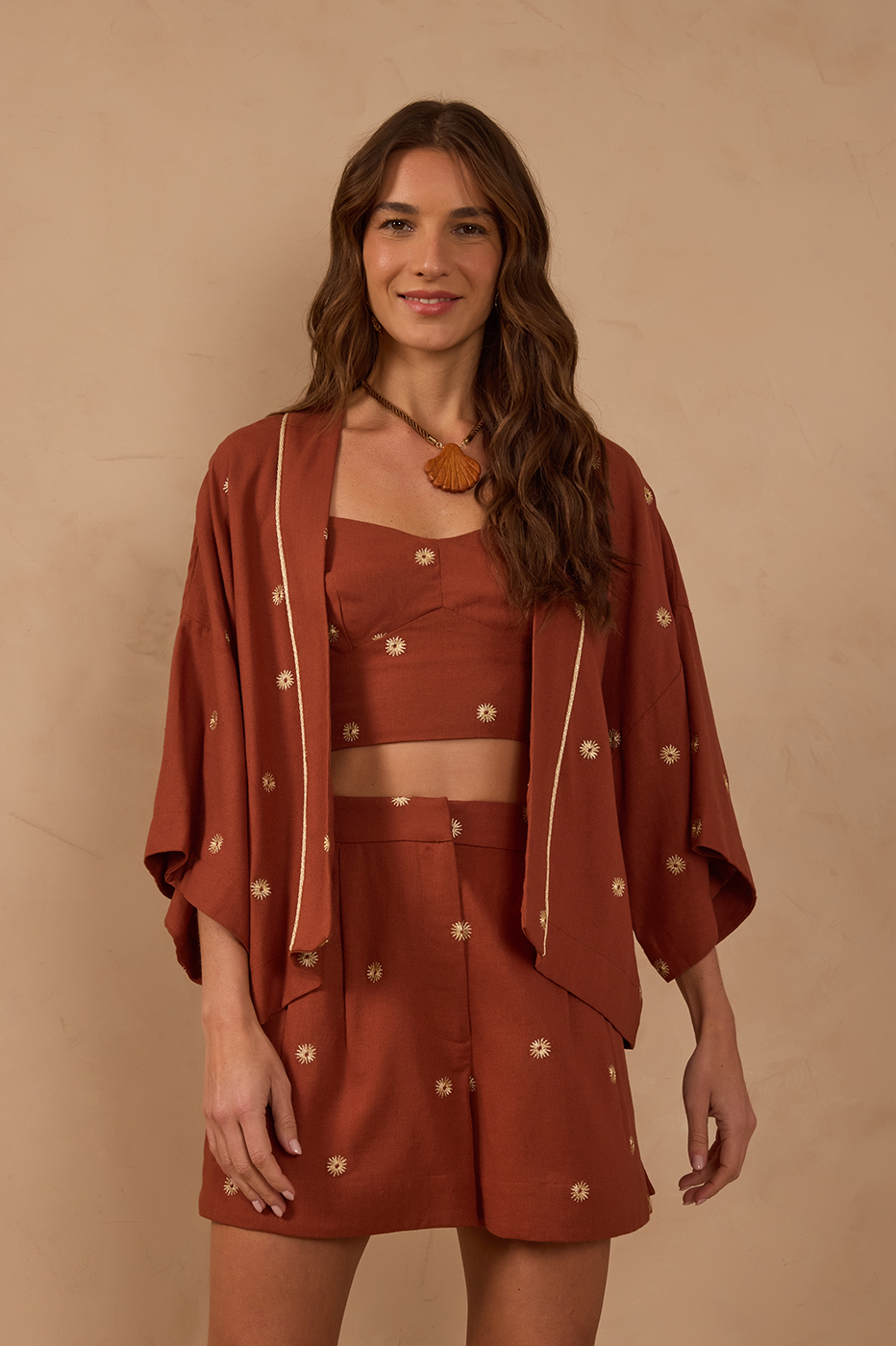
October mornings are the reason you need a transitional jacket. The temperature is not cold enough for a full winter coat but too cool for bare arms. The perfect morning layer is something that adds warmth without bulk: a linen kimono cinched at the waist, a structured blazer over a knit tank, a light cotton parka, or a fitted cardigan over a printed dress.
The morning outfit formula for October is simple: wear a summer piece (a dress, a matching set, a tank and skirt) and add one warm layer that you can remove by noon. The layer should be easy to carry when you do not need it. A kimono ties around the waist. A blazer drapes over your arm. A cardigan wraps around your shoulders. If the layer is too bulky to carry comfortably, it is too heavy for October.
The Afternoon Warmth: 65 to 78 Degrees
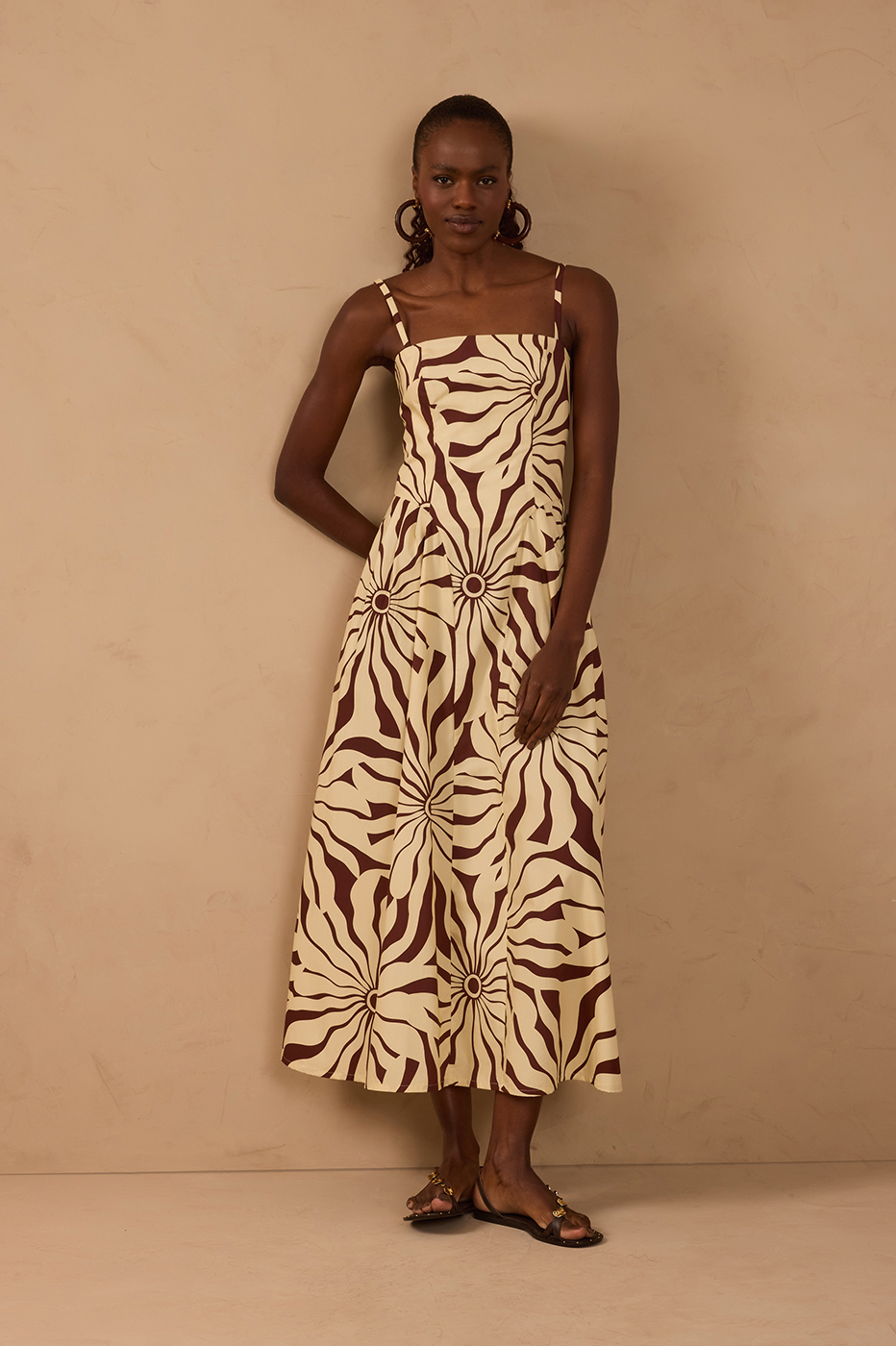
October afternoons, especially in the South and Southwest, can still feel like summer. The sun is lower in the sky, but the warmth is real. This is the part of the day where your summer pieces work exactly as they did in August. A printed midi dress with flat sandals. A linen blouse and tailored shorts. A flowing maxi dress. If the afternoon is warm, dress for it and carry your morning layer in your bag.
The one difference between August and October afternoons is the light. The sun sits lower, casting longer shadows and warmer tones. This is why the warm earth-tone palette that defines fall fashion works so well in October: the colors match the light. Ochre, warm brown, terracotta, olive, and cream glow in October’s afternoon sun in a way that bright summer pastels do not.
The Evening Cool: 55 to 65 Degrees
October evenings are where layering becomes essential. The temperature drops faster than you expect, especially outdoors. The dinner reservation that felt warm when you booked it at 7 PM feels distinctly cool by 9. This is the moment for the second layer: a structured jacket over your dress, a wrap scarf around your shoulders, or a warm cardigan that you kept in your bag all day.
The October evening outfit is the most polished version of the day’s outfit. The printed dress you wore with flat sandals in the afternoon gains ankle boots and a blazer for evening. The linen set gains a warm knit layer and heeled boots. The maxi dress gains a draped scarf and statement jewelry. The pieces are the same. The layers and accessories shift the energy from daytime casual to evening polish.
The October Color Palette
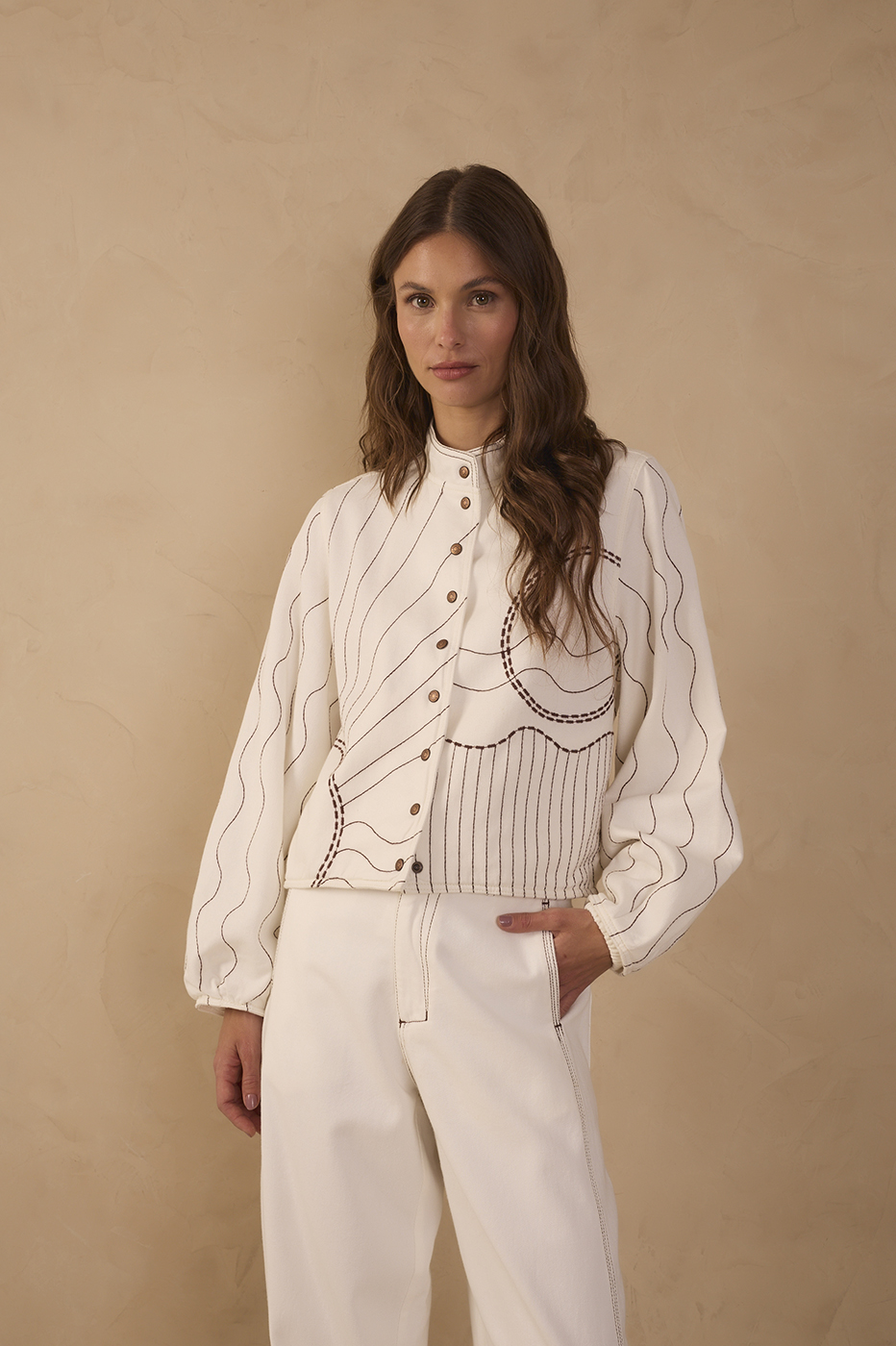
October’s natural palette is the warmest of the year: golden yellow leaves, burnt orange sunsets, deep green still lingering in the trees, and the kind of warm amber light that makes everything look like a movie. The clothes that look best in October are the ones that echo this palette. Cream, warm brown, terracotta, ochre, olive, burgundy, and muted gold are the colors that photograph beautifully in October’s specific light.
This is good news for anyone who built a summer wardrobe around Dress To’s natural earth-tone palette. The same warm colors that glowed in July’s bright sun glow differently but equally beautifully in October’s golden light. You do not need a new color palette for fall. You need the same palette in heavier textures.
What to Retire for Next Year
Not everything in your summer wardrobe works in October. Here is what to store until May:
• Strapless pieces without a layer. A strapless dress or top that worked in August feels exposed in October’s cooler air. Store it unless you plan to layer a turtleneck or a jacket underneath.
• Ultra-lightweight fabrics. The thinnest linen, the sheeerest viscose, and any piece designed primarily for beach coverage. October needs fabrics with slightly more weight and structure.
• Flip-flops and bare-minimum sandals. October calls for sandals with more structure (closed-toe slides, ankle-strap flats) or the transition to ankle boots. The beach flip-flop has served its purpose.
• Swimwear and coverups. Unless you live in a tropical climate where swimming continues year-round, October is the month to wash, dry, and store your swimwear properly for next season.
What to Keep in Heavy Rotation
• Printed midi and maxi dresses. These transition best with boots and layers.
• Matching sets. Split them into separates and pair with warm layers.
• Knit tanks. The perfect base layer under every jacket, cardigan, and kimono.
• Kimonos. The best transitional layer between summer and winter outerwear.
• Gold and shell jewelry. No seasonal expiration. Wear year-round.
• Straw and woven bags. Despite the old rule, handcrafted bags work into October and beyond.
OCTOBER IS NOT THE END OF SUMMER. IT IS THE BEST OF BOTH.
October is the month where the most versatile pieces in your wardrobe prove their value. The dress that worked at the beach in July works at a vineyard dinner in October. The kimono that covered your shoulders at a restaurant in August covers your shoulders at a rooftop in October. The jewelry that caught the light at a pool party catches the light at a candlelit dinner. The best wardrobe is the one that moves with you through the calendar, not the one that restarts every time the temperature changes by 15 degrees.
Here it's always sunny!



Comments (0)